Soldered vs. Solderless Patch Cables: Which Is Better for Your Pedalboard?
If you have spent any time building a pedalboard, you have probably run into this debate. Solderless patch cables are everywhere: easy to cut to length, quick to assemble, no heat gun required. But plenty of experienced players still swear by hand-soldered cables. Who is right?
Both camps have valid points, but there are real differences that matter for tone, reliability, and long-term cost. This guide breaks it all down so you can make the right call for your rig.
What Are Solderless Patch Cables?
Solderless patch cables use a mechanical compression connector instead of solder to attach the plug to the cable. You cut the cable to the exact length you need, thread it through the connector housing, and tighten a screw or clamp that bites into the cable shielding and conductor.
The appeal is obvious. No soldering iron. No fumes. No skill required. You can build a complete custom-length cable set on your kitchen table in an hour, then reconfigure it whenever your pedalboard layout changes.
Where solderless cables shine: adjustability (you can trim to exact length and redo it if you mess up), portability (one kit, multiple cable lengths), and speed (no waiting for solder to heat and cool).
Where they fall short: the mechanical connection is only as reliable as the connector's grip on the cable. Over time, vibration, cable movement, and thermal cycling can loosen that grip. When the connection degrades, you get intermittent signal loss, increased noise, and tone coloration.
More critically, solderless connectors do not hold the cable conductors with the same consistency as a properly flowed solder joint. The conductor sits in the connector under mechanical pressure rather than being molecularly bonded to the terminal. Under the stress of gigging or heavy use, the connection can shift, introducing ground loop noise or high-frequency roll-off.
What Are Soldered Patch Cables?
In a hand-soldered patch cable, the cable conductor and shield are tinned with solder and bonded directly to the connector terminals. When the solder cools and sets, the conductor and terminal become a single contiguous piece of metal. There is no gap, no pressure fit, and no mechanical compression to loosen over time.
This is how professional audio cables have been made for decades. Stage cables, studio cables, and broadcast cables are all hand-soldered for exactly this reason: the joint is permanent, predictable, and as close to zero-impedance as you can get.
Where soldered cables win: a clean solder joint introduces essentially no resistance or capacitance into the signal path, the joint does not degrade, a correctly soldered shield termination provides complete RF and EMI rejection, and every joint in the cable behaves identically because they were all made to spec.
The honest tradeoff: soldered cables are harder to custom-cut yourself, and they are not reconfigurable after the fact. For players who rebuild their boards regularly, this can be a friction point.
The Sound Quality Question
This is where players get most heated, and the honest answer is nuanced.
In a quiet studio with a clean amp, most experienced players can hear a difference between a fresh set of well-built soldered cables and a set of well-built solderless cables. The soldered set typically sounds slightly more open in the high end, with better string separation and a lower perceived noise floor.
Under live conditions with stage volume, ambient noise, and the full signal chain running, that difference narrows. But narrow does not mean zero.
More importantly, tone quality is not static. A solderless cable that sounds identical to a soldered one on day one may start introducing noise or rolling off highs after 12 months of regular use, as the mechanical connection loosens. A soldered cable will sound the same in 10 years as it did on the day it was made.
For hobbyist home players, this may not matter much. For gigging musicians who rely on a consistent sound night after night, it matters a great deal.
Which Should You Choose?
Here is a practical framework:
Choose solderless if you experiment with board layouts often and need flexibility, you are setting up a practice-only board at home, or you are new to pedalboards and want to start simple.
Choose hand-soldered if your board layout is fixed or changes rarely, you gig regularly and need cables that hold up under real-world stress, tone quality and a low noise floor are priorities for you, or you want cables that last for years, not months.
Most serious gigging players settle on a fixed board layout eventually. At that point, hand-soldered cables are simply the better tool for the job.
The Forever Cables Approach
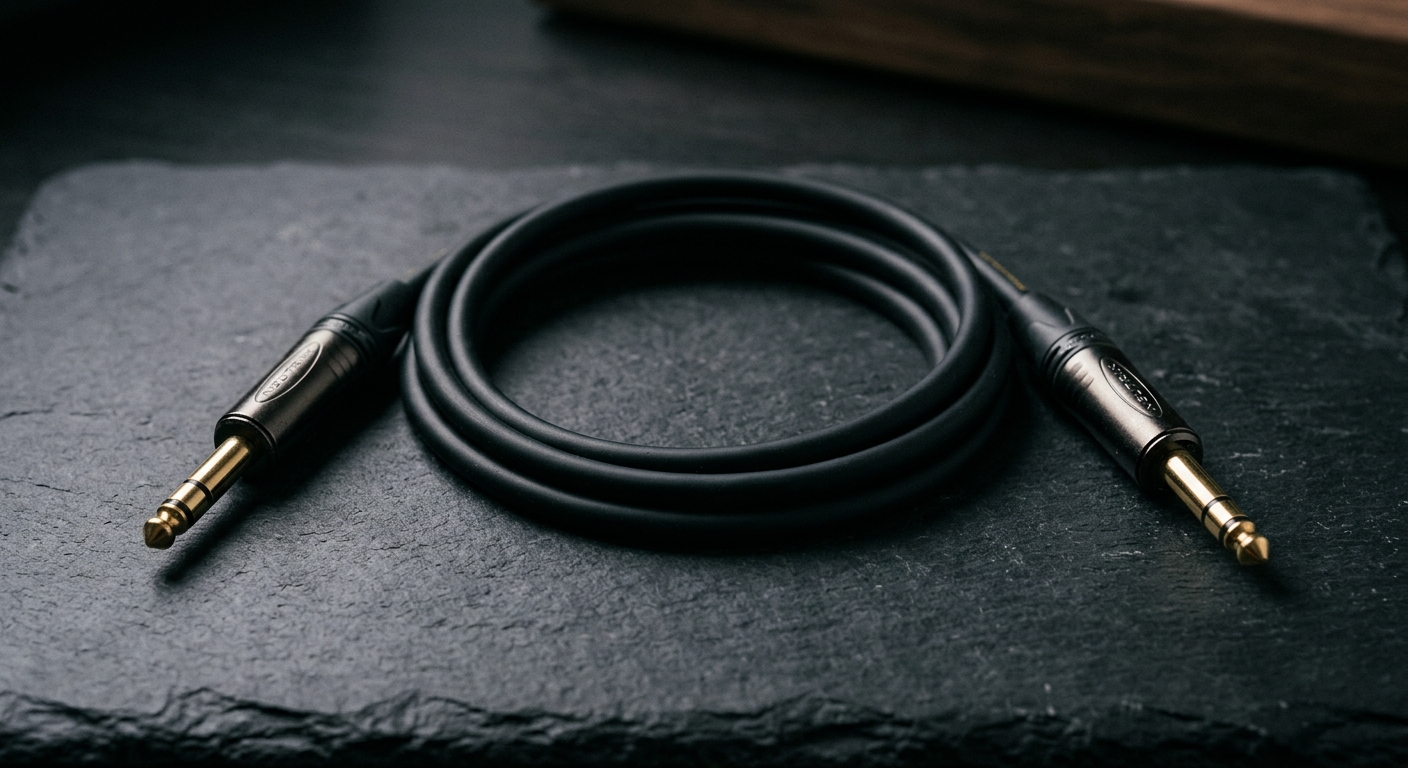
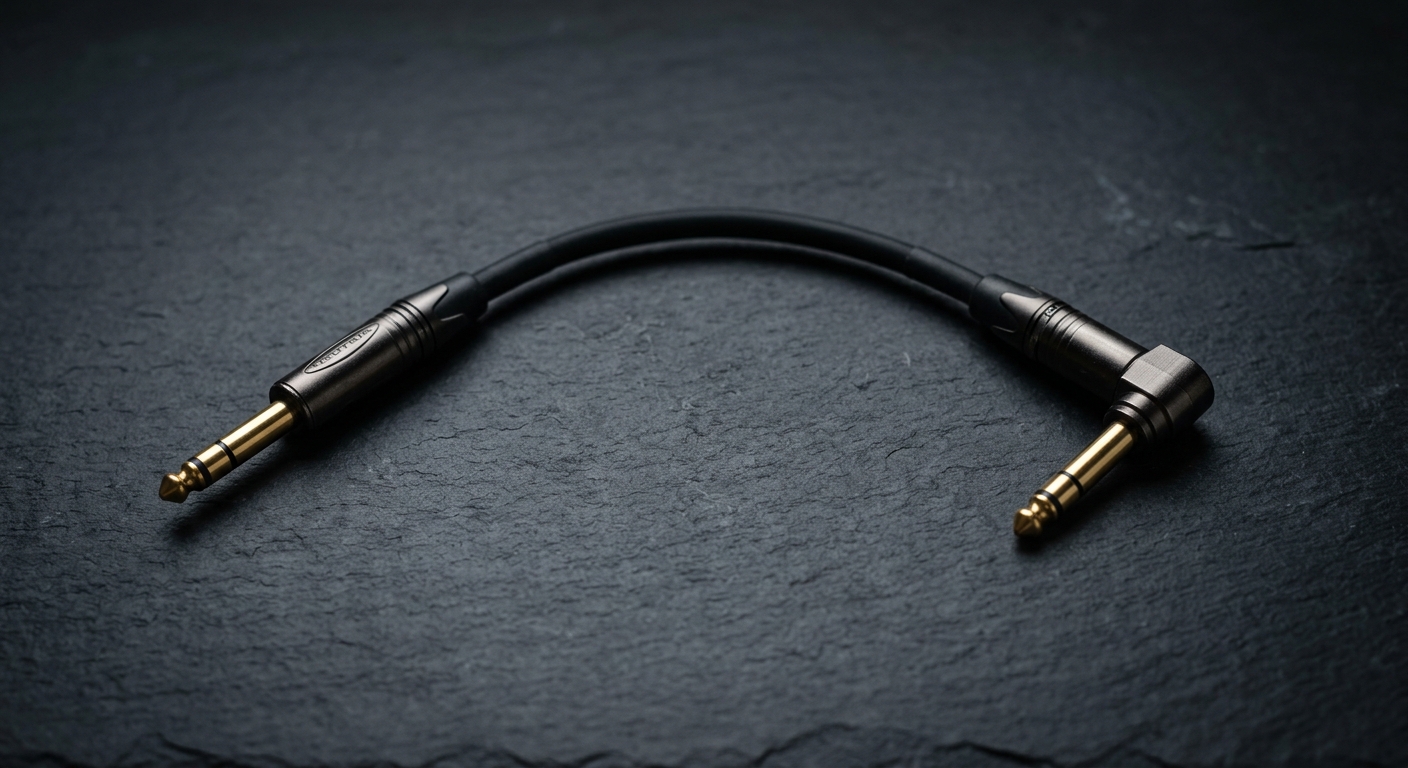
At Liferline, every Forever Cable is hand-soldered by us, one at a time, using gold-plated connectors and oxygen-free copper conductors. We use Canare GS-6 cable stock for its exceptionally low capacitance, which preserves high-end clarity even on longer cable runs.
Because we stand behind the quality of every solder joint, every cable ships with a lifetime guarantee. If a Forever Cable ever fails due to a connection issue, we replace it for free. No questions, no expiration, no fine print.
We do not offer solderless options, and we are not planning to. The whole point of Forever Cables is to give you a cable you build your board around once, then forget about for the rest of your playing life.
Built for This
If that sounds like what your rig needs, take a look at our full lineup.
Stay in the loop
New gear guides, limited promos, and launch updates. No spam.