Are Lifetime Warranty Guitar Cables Worth It? (The Math Might Surprise You)
If you have been playing guitar for more than a few years, you have probably bought the same cable more than once. Not because you wanted to. Because it failed.
A connector crackled until you gave it up. An output jack developed an intermittent short. The insulation cracked right where it bends into the pedal. Whatever the cause, the result is the same: you are back at the store, or back on Amazon, buying the same $25 cable you already bought.
Most players accept this as just how cables work. They do not have to.
The Real Cost of "Cheap" Guitar Cables
Budget cables seem like the smart move. Why spend more than necessary on a piece of wire?
Here is the problem: a cable that fails every 18 to 24 months is not a $20 cable. It is a recurring cost. Let us do the math.
Say you have a pedalboard with 6 patch cables and 2 instrument cables. You buy mid-range cables at $20 each for a total of $160. If you replace them on average every two years:
5 years: $400. 10 years: $800. 20 years: $1,600.
That is $1,600 on cables. And that assumes you are only replacing them when they completely fail. It does not account for the time you spend chasing down noise problems, or the gigs where a crackly cable cost you the confidence you needed.
Now consider paying $38 once for a cable that never needs replacing. Over 10 years, that cable pays for itself within the first replacement cycle. Over 20 years, it costs a fraction of the alternative.
The "expensive" cable is the cheap one, over time. The math is not close.
What Most Lifetime Warranties Actually Cover
Before you get too excited, it is worth understanding that the words "lifetime warranty" can mean almost anything.
Many cable warranties are technically lifetime warranties but have fine print that excludes most real-world failure modes. Common exclusions include: physical damage (which often includes fraying, kinking, or connector damage from normal use), damage from "improper use" (a category broad enough to exclude almost anything), damage from "environmental factors" (humidity, heat, stage use), requirements to provide original proof of purchase, and time limits embedded as "limited lifetime" language.
Some warranties require you to pay return shipping. Some only replace with a refurbished cable. Some cover "defects in materials and workmanship" but define defect narrowly enough that most actual failure modes are excluded.
The result is a warranty that looks impressive on a product page but rarely pays out in practice. Players who try to use these warranties often give up partway through the claims process because the friction is too high.
What a Real Lifetime Guarantee Looks Like
A genuine lifetime guarantee has none of that friction.
It covers the cable for as long as you own it. It does not require you to prove it was not your fault. It does not charge you return shipping. It does not expire. It does not require the original receipt.
It simply says: if this cable stops working the way it should, we will fix it or replace it. End of policy.
This kind of guarantee is only possible if the manufacturer is genuinely confident in the build quality. You cannot offer a no-questions guarantee on a cable made with cheap connectors and unreliable solder joints. The economics do not work. The only way a lifetime guarantee is financially viable for the manufacturer is if the cables almost never fail.
Which is the point. A real lifetime guarantee is proof of confidence in the product, not a marketing phrase.
Who Benefits Most From Lifetime Guitar Cables
Not every player needs a lifetime cable. But they make the most sense for:
Gigging musicians: if you are playing regularly, cables take real abuse. Plugging and unplugging dozens of times per week, getting stepped on, rolled over with cart wheels, coiled and uncoiled in cold and hot conditions. A lifetime cable that handles all of this without complaint is worth significantly more than a budget cable that needs replacing every year.
Touring players: when you are on the road, there is no time to track down a replacement cable at a local guitar store. A cable failure at soundcheck is a genuine problem. Cables you trust to work every night are not a luxury for professional players; they are a requirement.
Players with fixed rigs: if you have a pedalboard you love and have no plans to rebuild it, the cable costs are a one-time investment. You pay once and you are done.
Home studio players who want to stop thinking about cables: even for players who rarely gig, there is value in buying once and never buying again.
The Forever Cables Difference
Every cable in the Forever Cables lineup ships with a true lifetime guarantee. No exclusions for normal use. No return shipping fees. No expiration date. No proof-of-purchase requirement.
If your cable ever fails, you contact us and we make it right. That is the whole policy.
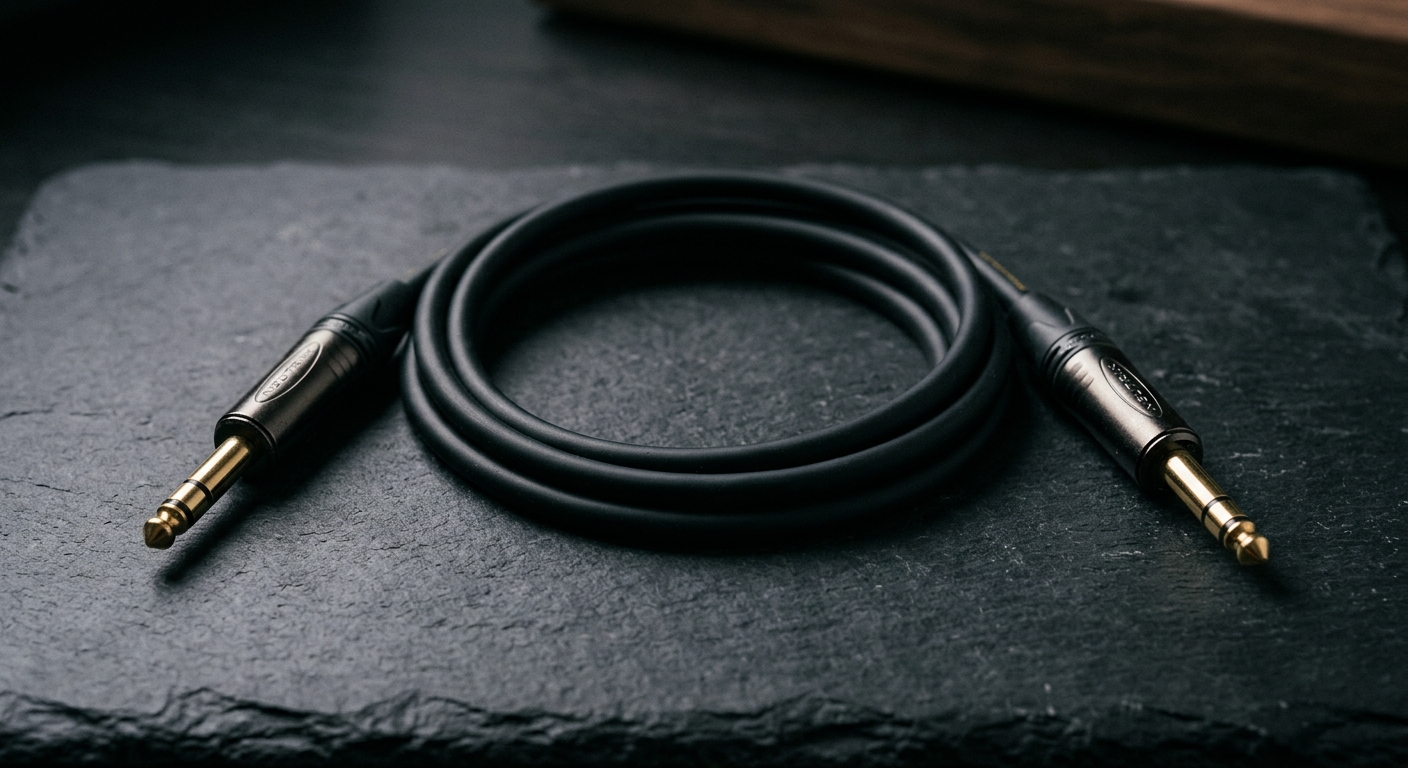
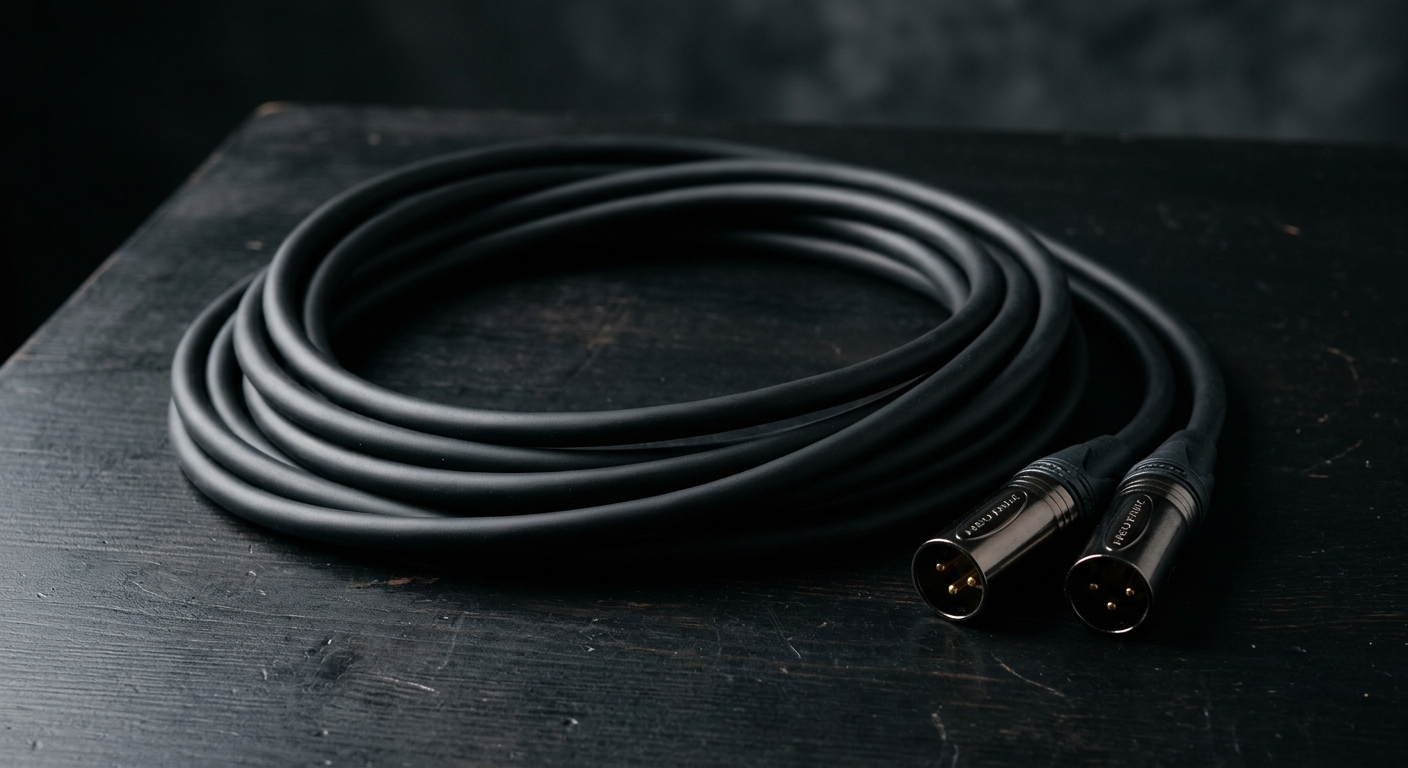
We can offer this because of how the cables are made. Each one is hand-built by us using Canare GS-6 or Mogami W2524 cable stock, gold-plated connectors, and hand-soldered joints. The solder joint is where most cable failures originate: a mechanical connector that loosens over time, or a cold joint that was never fully bonded to begin with. Our joints are made right, inspected, and covered forever.
We are not offering a lifetime guarantee because it sounds good in marketing. We are offering it because we are confident in the work, and we want you to be confident too.
If you are tired of replacing cables, take a look at the lineup. One purchase, forever covered.
Built for This
Every Forever Cable ships with a true lifetime guarantee. No exclusions, no fine print.
Stay in the loop
New gear guides, limited promos, and launch updates. No spam.