True Bypass vs Buffered Bypass Pedals: What Every Guitarist Needs to Know
When you are building a pedalboard or adding effects to your guitar rig, one of the most debated topics is bypass type. Should you choose true bypass pedals or buffered bypass pedals? The answer is not as simple as "one is always better," and understanding the difference can have a major impact on your tone.
In this guide, we will break down what true bypass and buffered bypass actually mean, how they work, their pros and cons, and when each type makes the most sense for your setup.
What Is True Bypass?
True bypass is a switching method where, when the pedal is turned off, your guitar signal passes directly from the input jack to the output jack without touching any of the pedal's circuitry. It is as if the pedal is not there at all.
True bypass pedals use a mechanical footswitch (typically a 3PDT switch) that physically connects the input to the output when the pedal is off. The signal does not pass through the effect circuit, buffer, or any other active component. It is a direct, uninterrupted connection.
This design became popular in response to older pedals that would "suck tone" even when switched off. Many vintage effects used simple on/off switches that left parts of the circuit in the signal path, which could color your tone or introduce noise even when you were not using the effect.
The Appeal of True Bypass
For many guitarists, true bypass represents purity. When your delay or fuzz is off, your guitar signal goes straight to your amp with nothing in between. This is especially appealing if you have a simple rig with just a few pedals, or if you are very particular about maintaining your guitar's natural tone.
True bypass pedals also tend to be straightforward and reliable. There is no buffer circuit to fail, no power draw when the pedal is off (in most cases), and no concerns about impedance issues introduced by an active buffer.
What Is Buffered Bypass?
Buffered bypass is a switching method where, even when the pedal is off, your guitar signal passes through a buffer circuit. A buffer is an active electronic circuit (powered by a battery or power supply) that takes your guitar's high-impedance signal and converts it to a low-impedance signal.
When you turn off a buffered bypass pedal, the effect circuit is removed from your signal path, but the buffer remains active. Your guitar signal enters the pedal, passes through the buffer, and then exits to the next pedal or amp.
The buffer does not change your tone (when designed well); it simply strengthens your signal and lowers its impedance. This makes your signal much less susceptible to capacitance and signal degradation that naturally occur when you run long cable runs or chain multiple pedals together.
The Role of Buffers in Your Signal Chain
Think of a buffer like a signal booster that does not add gain. Your guitar's pickups produce a high-impedance signal that is fragile and easily degraded by cable capacitance. Every foot of cable, every pedal input, and every passive component adds capacitance that can dull your high frequencies and weaken your signal.
A buffer converts that fragile high-impedance signal into a robust low-impedance signal that can drive long cable runs without losing clarity or treble response.
True Bypass Pedals: Pros and Cons
The advantages of true bypass pedals are significant. First, when off, the pedal has zero impact on your tone; your guitar signal remains completely unaffected. Second, many true bypass pedals only draw power when the effect is active. Third, fewer active components mean fewer potential points of failure. Fourth, you do not have to worry about whether a buffer is well-designed or introducing its own coloration.
However, true bypass pedals have drawbacks. If you are running more than 15 to 20 feet of cable total (including patch cables), you will likely experience high-frequency loss and tone dulling. Each pedal's input jack adds capacitance to your signal, and with five or more pedals, even with short patch cables, you can experience noticeable treble loss. Some true bypass pedals produce an audible "pop" when you turn them on or off. And certain older effects (like vintage fuzzes) are very sensitive to what they see at their input; a long cable run or other pedals in between can cause these effects to sound thin or gated.
Buffered Bypass Pedals: Pros and Cons
Buffered bypass pedals offer their own set of advantages. A good buffer maintains your tone even over long cable runs and through multiple pedals. You can run 50 or more feet of cable after a buffer with minimal signal loss. Buffers provide a stable, consistent load for your guitar pickups, and they protect your signal from the cumulative capacitance of multiple pedals.
On the other hand, buffer quality matters a great deal. A poorly designed buffer can color your tone, add noise, or actually make things worse. The buffer circuit needs power even when the effect is off. Some effects (particularly vintage-style fuzzes and wahs) do not respond well to seeing a buffered signal; they want to see the high-impedance output of your guitar directly. And even when "off," you are still going through the buffer circuit.
When Buffered Bypass Is Better
There are several scenarios where buffered bypass pedals (or adding dedicated buffer pedals to your chain) is the better choice.
If you are running more than 18 to 20 feet of cable from your guitar to your amp (including all patch cables), a buffer early in your chain will preserve your high frequencies and maintain clarity. This is especially common in live situations where you need a long cable to move around on stage.
If you have five or more pedals on your board, the cumulative effect of all those input jacks can dull your tone significantly. A buffer at the front of your chain solves this problem by driving the signal through all those pedals without degradation.
Many guitarists use a hybrid approach: a buffer early in the chain (either a dedicated buffer or a buffered pedal like a Boss tuner), followed by true bypass pedals. This gives you the signal integrity of a buffer while keeping most of your pedals out of the signal path when off.
In professional settings where signal integrity is critical, buffers are often used strategically. A buffer at the start of your chain, and possibly another before long cable runs to an amp or interface, ensures your tone remains consistent and clear.
How Cable Quality Affects Your Bypass Choice
Whether you choose true bypass or buffered bypass, cable quality matters enormously. High-quality patch cables with good shielding and low capacitance will minimize signal loss and interference regardless of your bypass setup.
If you are using true bypass pedals and want to maximize your signal integrity without adding buffers, investing in premium patch cables is essential. Look for cables with proper shielding to reject electromagnetic interference and low capacitance to preserve high frequencies.
Quality cables become even more important when you are not using buffers, because your high-impedance guitar signal is more vulnerable to cable-induced tone loss. Using well-constructed patch cables like Forever Cables can help you maintain clarity and reduce noise whether you are running a true bypass or buffered bypass setup.
Even with buffers in your chain, cable quality still matters. Poor cables can introduce noise, hum, and signal degradation before your signal ever reaches the buffer. Starting with a clean, strong signal makes everything downstream sound better.
Common Misconceptions About True Bypass
The most common misconception is that true bypass is always better. True bypass is not inherently superior; it is simply a different approach with different trade-offs. For small boards with short cable runs, true bypass is often ideal. For larger setups, buffers are usually necessary.
Another myth is that all true bypass pedals sound identical when off. While true bypass pedals do not affect your tone when off (by definition), the quality of the switch, the grounding scheme, and the overall pedal design can still introduce mechanical noise (popping) or ground loop issues.
Some believe buffers always change your tone. A well-designed buffer should be transparent and preserve your tone. The problem is that not all buffers are well-designed. High-quality buffers (like those in many Boss, TC Electronic, and boutique pedals) are effectively transparent.
Finally, many think you should never mix true bypass and buffered pedals. Actually, many professional guitarists use a hybrid approach. A common strategy is to use a buffered pedal (like a tuner) at the start of your chain, followed by true bypass pedals. This gives you the best of both worlds.
Practical Advice for Building Your Pedalboard
Before you commit to all true bypass or all buffered, assess your actual needs. How many pedals will you use? How long is your total cable run (guitar to pedalboard plus pedalboard to amp)? Do you use any vintage-style fuzzes or wahs that are impedance-sensitive? Are you playing live with long cable runs, or in a studio with short connections?
For most guitarists, a hybrid approach works best. Use a buffered pedal (or dedicated buffer) right at the start of your chain to protect your signal from the cumulative capacitance of all the pedals that follow. Use true bypass pedals for your drives, modulation, and other effects in the middle of your chain, since they are receiving a strong low-impedance signal after the buffer. Some guitarists add another buffer at the end of their chain if they have a long cable run to their amp.
Single-coil pickups (like those in Strats and Teles) are more susceptible to tone loss from cable capacitance than humbuckers. If you play primarily with single-coils, you may benefit more from a buffered approach.
The best way to decide is to actually listen. Set up your board with all true bypass pedals and listen carefully. Then add a buffer at the front and compare. If you cannot hear a difference, you probably do not need a buffer. If you hear a noticeable improvement in clarity and treble response, the buffer is doing its job.
Whether you go true bypass, buffered, or hybrid, invest in quality patch cables. Proper shielding reduces noise and interference, while low capacitance preserves your high frequencies. Reliable patch cables like Forever Cables ensure that your carefully chosen bypass strategy actually works as intended, because the best bypass setup in the world cannot overcome poor cable quality.
Special Cases: Impedance-Sensitive Effects
Certain vintage-style effects are very particular about impedance. Fuzz Face and similar germanium fuzzes often sound best when they see the high-impedance output of your guitar directly. Placing a buffer before them can make them sound thin, gated, or just "wrong." Vintage-style wahs are also impedance-sensitive and perform best with a direct connection from your guitar.
The solution is simple: if you use these effects, place them first in your chain, before any buffers. Then add a buffer after them. This gives the impedance-sensitive pedals the high-impedance signal they want, while protecting the rest of your chain with a buffer.
The Bottom Line
True bypass and buffered bypass are tools, not religions. Neither is inherently better; each serves different needs.
Choose true bypass if you have a small board (three pedals or fewer), you use short cable runs (under 15 feet total), you want absolute signal purity when pedals are off, or you use impedance-sensitive vintage effects.
Choose buffered bypass (or add buffers) if you have a large pedalboard (five or more pedals), you use long cable runs (20 or more feet total), you have noticed treble loss or dullness in your tone, or you want consistent tone regardless of which pedals are on.
Consider a hybrid approach if you use a mix of pedals and want the best of both worlds, you have some impedance-sensitive effects that need to be first in the chain, or you want maximum flexibility.
Most importantly, use your ears. The "right" choice is the one that sounds best to you in your specific setup. Do not get caught up in dogma about bypass types. Focus on what actually matters: does your guitar sound good? If yes, your bypass strategy is working.
Understanding true bypass vs buffered bypass helps you make informed decisions, troubleshoot tone issues, and build a pedalboard that sounds great whether you have two pedals or twenty.
Built for This
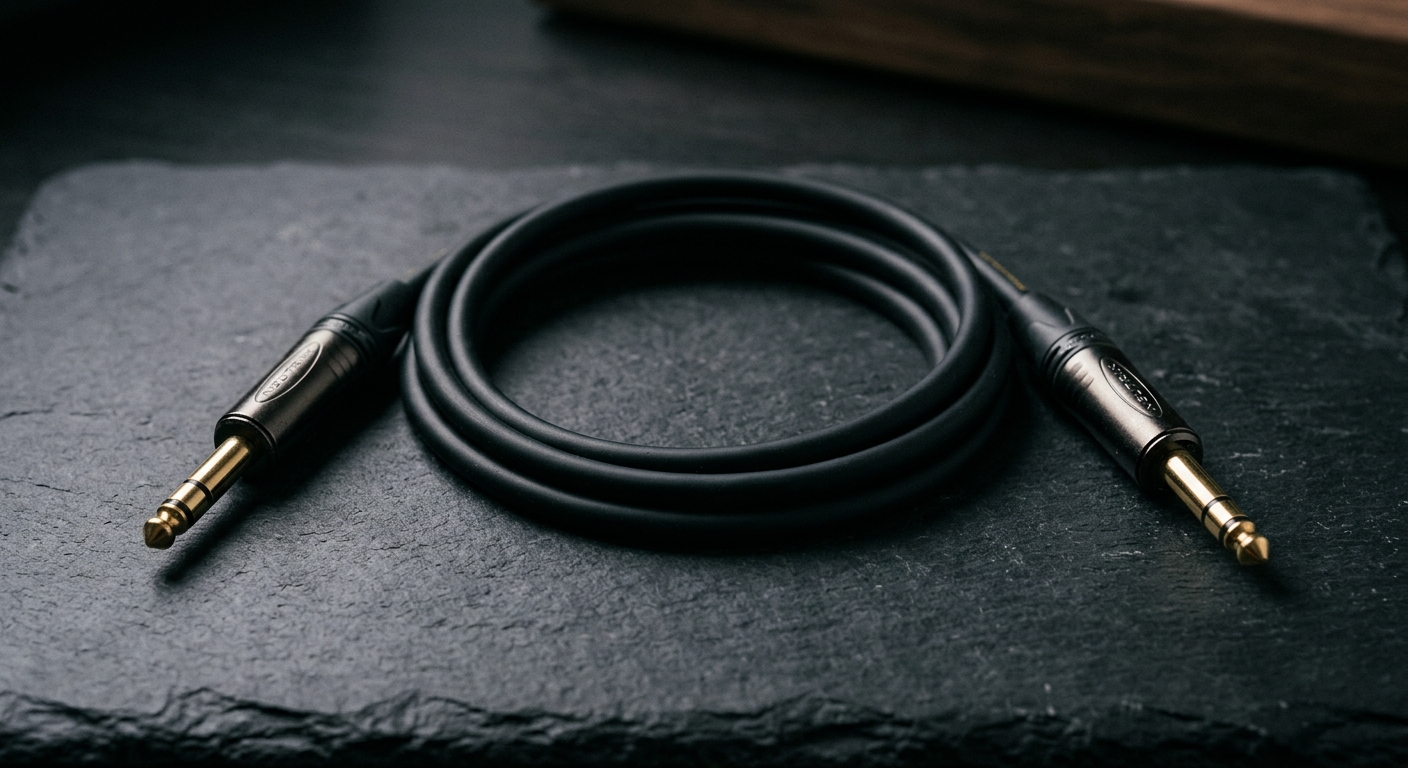
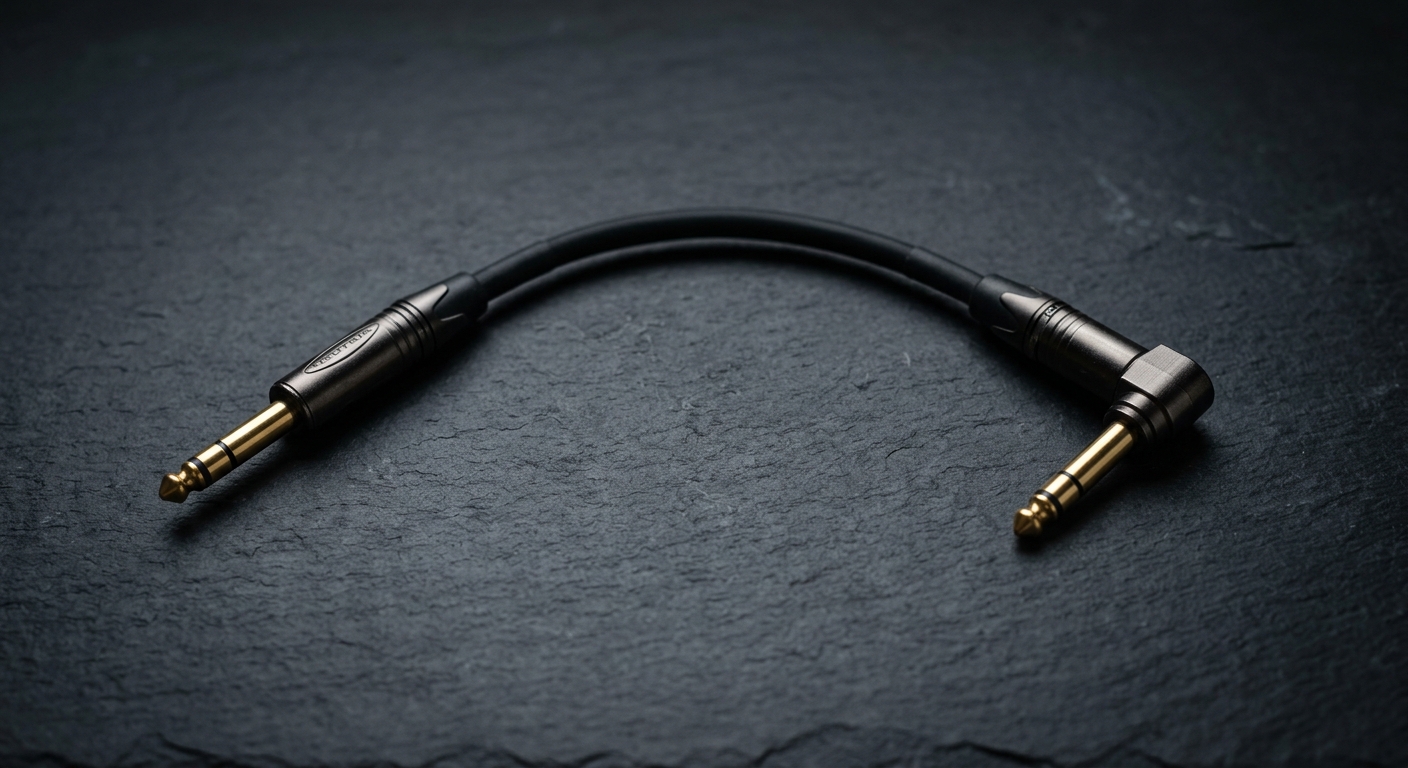
Forever Cables patch cables use premium Canare GS-6 wire and Neutrik connectors for minimal capacitance and maximum signal integrity. Whether you run true bypass, buffered, or hybrid, start with cables that will never let you down.
Stay in the loop
New gear guides, limited promos, and launch updates. No spam.